
211. Design Add and Search Words Data Structure 添加与搜索单词 - 数据结构设计
作者: 负雪明烛 id: fuxuemingzhu 个人博客: https://fuxuemingzhu.cn/ 公众号:负雪明烛 本文关键词:Leetcode, 力扣,211,搜索单词,前缀树,字典树,Trie,Python, C++, Java
题目地址:https://leetcode.com/problems/add-and-search-word-data-structure-design/description/
Design a data structure that supports the following two operations:
void addWord(word)bool search(word)search(word) can search a literal word or a regular expression string containing only letters a-z or .. A . means it can represent any one letter.
For example:
addWord("bad")addWord("dad")addWord("mad")search("pad") -> falsesearch("bad") -> truesearch(".ad") -> truesearch("b..") -> true
Note:
- You may assume that all words are consist of lowercase letters
a-z.
设计数据结构能接受正则查找。该正则的设计的是 '.' 匹配任意字符。
本文写成前缀树入门教程。
从二叉树说起
Section titled “从二叉树说起”前缀树(Trie,字典树),也是一种树。为了理解前缀树,我们先从「二叉树」说起。
常见的二叉树结构是下面这样的:
class TreeNode { int val; TreeNode* left; TreeNode* right;}可以看到一个树的节点包含了三个元素:该节点本身的值,左子树的指针,右子树的指针。
二叉树可视化是下面这样的:
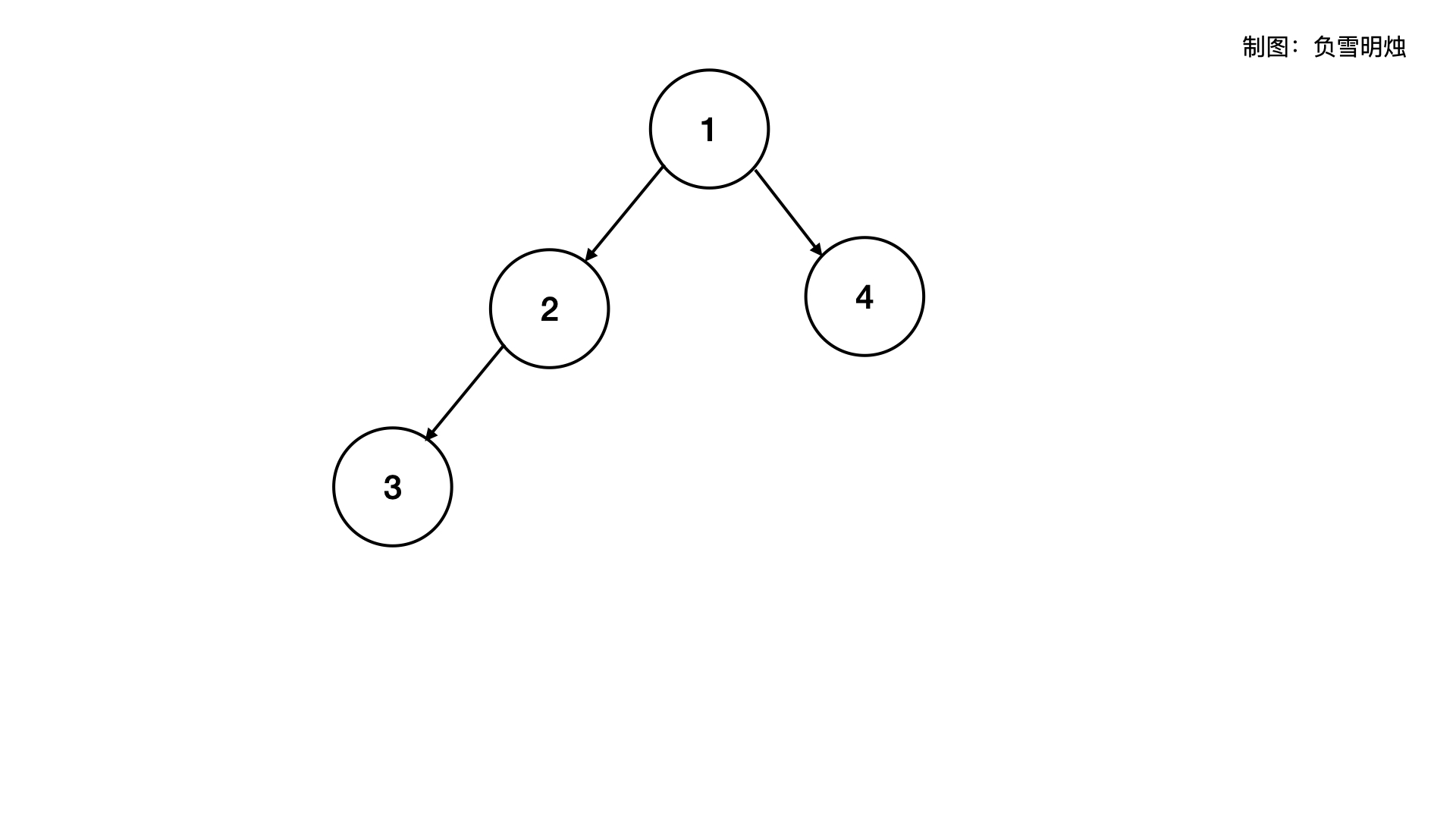 二叉树的每个节点只有两个孩子,那如果每个节点可以有多个孩子呢?这就形成了「多叉树」。多叉树的子节点数目一般不是固定的,所以会用变长数组来保存所有的子节点的指针。多叉树的结构是下面这样:
class TreeNode { int val; vector<TreeNode*> children;}多叉树可视化是下面这样:
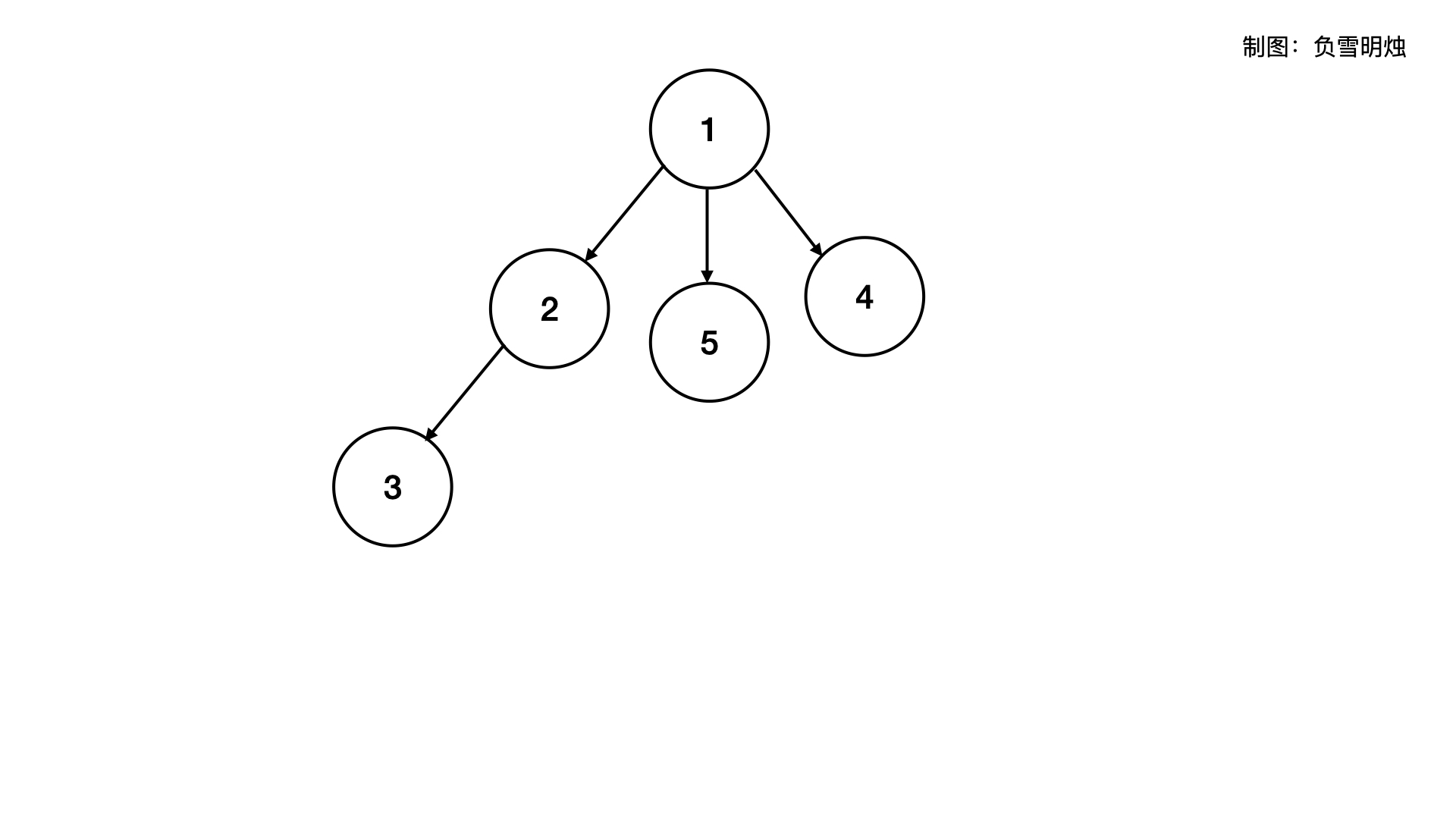
对于普通的多叉树,每个节点的所有子节点可能是没有任何规律的。而本题讨论的「前缀树」就是每个节点的 children 有规律的多叉树。
「前缀树」是一种特殊的多叉树,它的 TrieNode 中 chidren 是一个大小为 26 的一维数组(当输入只有小写字符),分别对应了26个英文字符 'a' ~ 'z',也就是说形成了一棵「26 叉树」。
前缀树的结构可以定义为下面这样:
class TrieNode {public: vector<TrieNode*> children; bool isWord; TrieNode() : isWord(false), children(26, nullptr) { } ~TrieNode() { for (auto& c : children) delete c; }};
TrieNode 里面存储了两个信息:
children是该节点的所有子节点。isWord表示从根节点到当前节点为止,该路径是否形成了一个有效的字符串。
在构建前缀树的时候,按照下面的方法:
- 根节点不保存任何信息;
- 关键词放到「前缀树」时,需要把它拆成各个字符,每个字符按照其在
'a' ~ 'z'的序号,放在chidren对应的位置里面。下一个字符是当前字符的子节点。 - 一个输入字符串构建「前缀树」结束的时候,需要把该节点的
isWord标记为true,说明从根节点到当前节点的路径,构成了一个关键词。
下面是一棵「前缀树」,其中保存了 {"am", "an", "as", "b", "c", "cv"} 这些关键词。图中红色表示 isWord 为 true。
看下面这个图的时候需要注意:
- 所有以相同字符开头的字符串,会聚合到同一个子树上。比如
{"am", "an", "as"}; - 并不一定是到达叶子节点才形成了一个关键词,只要
isWord为true,那么从根节点到当前节点的路径就是关键词。比如{"c", "cv"};

有些题解把字符画在了节点中,我认为是不准确的。因为前缀树是根据 字符在 children 中的位置确定子树,而不真正在树中存储了 'a' ~ 'z' 这些字符。树中每个节点存储的 isWord,表示从根节点到当前节点的路径是否构成了一个关键词。
在判断一个关键词是否在「前缀树」中时,需要依次遍历该关键词所有字符,在前缀树中找出这条路径。可能出现三种情况:
- 在寻找路径的过程中,发现到某个位置路径断了。比如在上面的前缀树图中寻找
"d"或者"ar"或者"any",由于树中没有构建对应的节点,那么就查找不到这些关键词; - 找到了这条路径,但是最后一个节点的
isWord为false。这也说明没有该关键词。比如在上面的前缀树图中寻找"a"; - 找到了这条路径,并且最后一个节点的
isWord为true。这说明前缀树存储了这个关键词,比如上面前缀树图中的"am","cv"等。
上面说了这么多前缀树,那前缀树有什么用呢?
其实我们生活中就有应用。
- 比如我们常见的电话拨号键盘,当我们输入一些数字的时候,后面会自动提示以我们的输入数字为开头的所有号码。
- 比如我们的英文输入法,当我们输入半个单词的时候,输入法上面会自动联想和补全后面可能的单词。
- 再比如在搜索框搜索的时候,输入
"负雪",后面会联想到负雪明烛。
等等。
本题是前缀树的变种: '.' 可以表示任何一个小写字符。
在匹配的过程中,如果遇到了 '.' ,则需要对当前节点的所有子树都进行遍历,只要有任何一个子树能最终匹配完成,那么就代表能匹配完成。
代码中的 match() 函数表示在以 root 为根节点的前缀树中,能不能匹配到 word[index:] 。
下面的 Python 解法和 C++ 解法定义的前缀树略有不同:
- Python 解法中,保存
children是使用的字典,它保存的结构是{字符:Node},所以可以直接通过children['a']来获取当前节点的'a'子树。 - C++ 解法中,保存
children用的题解分析时讲的大小为 26 的数组实现的。而且我的 C++ 解法中写出了很多人容易忽略的一个细节,就是 TrieNode 析构的时候,需要手动释放内存。
Python 代码如下:
class Node(object):    def __init__(self):        self.children = collections.defaultdict(Node)        self.isword = False
class WordDictionary(object):
    def __init__(self):        """        Initialize your data structure here.        """        self.root = Node()
    def addWord(self, word):        """        Adds a word into the data structure.        :type word: str        :rtype: void        """        current = self.root        for w in word:            current = current.children[w]        current.isword = True
    def search(self, word):        """        Returns if the word is in the data structure. A word could contain the dot character '.' to represent any one letter.        :type word: str        :rtype: bool        """        return self.match(word, 0, self.root)
    def match(self, word, index, root):        if root == None:            return False        if index == len(word):            return root.isword        if word[index] != '.':            return root != None and self.match(word, index + 1, root.children.get(word[index]))        else:            for child in root.children.values():                if self.match(word, index + 1, child):                    return True        return False
# Your WordDictionary object will be instantiated and called as such:# obj = WordDictionary()# obj.addWord(word)# param_2 = obj.search(word)
C++ 代码如下:
class TrieNode{public:    vector<TrieNode*> child;    bool isWord;    TrieNode() : child(26, nullptr), isWord(false) {};    ~TrieNode() {        for (auto c : child) delete c;    }};class WordDictionary {public:    /** Initialize your data structure here. */    WordDictionary() {        root = new TrieNode();    }    ~WordDictionary() {        delete root;    }    /** Adds a word into the data structure. */    void addWord(string word) {        TrieNode* p = root;        for (char c : word) {            int i = c - 'a';            if (!p->child[i])                p->child[i] = new TrieNode();            p = p->child[i];        }        p->isWord = true;    }
    /** Returns if the word is in the data structure. A word could contain the dot character '.' to represent any one letter. */    bool search(string word) {        return match(word, root, 0);    }
    bool match(string& word, TrieNode* p, int start) {        if (!p) return false;        if (start == word.size()) return p->isWord;        char c = word[start];        if (c != '.') {            return match(word, p->child[c - 'a'], start + 1);        } else {            for (const auto& child : p->child) {                if (match(word, child, start + 1))                    return true;            }        }        return false;    }private:    TrieNode* root;};
/** * Your WordDictionary object will be instantiated and called as such: * WordDictionary obj = new WordDictionary(); * obj.addWord(word); * bool param_2 = obj.search(word); */
复杂度分析
- 时间复杂度:添加单词为 O(字符串长度),查询为 O(26 ^ {字符串长度})。
- 空间复杂度: O(所有添加了单词的字符串长度 * 26)。
- 前缀树是挺有意思的应用。
- 不过面试和力扣题目都考察不多,建议大家理解掌握,不必深究。
类似题目:
参考资料:
- 在刷题的时候,如果你不知道该怎么刷题,可以看 LeetCode 应该怎么刷?
- 如果你觉得题目太多,想在短时间内快速提高,可以看 LeetCode 最经典的 100 道题。
- 公众号有更多精彩内容,点击关注。
祝大家 AC 多多,Offer 多多!我们明天再见!
2018 年 2 月 27 日 2018 年 12 月 22 日 —— 今天冬至 2021 年 10 月 19 日
评论与交流